
Autoflower Propagation Guide
An Introduction to Propagation
Successful greenhouse propagation requires careful attention to detail and consideration of many factors. Unless your farm already has a successful seedling propagation program in place, we recommend you purchase plants, especially for larger orders where the stakes are higher. Below we have made a list of things for you to consider before you sow your seeds. Our recommendations are made based on many years of experience.
Sizing Trays
Rooting Medium
Recommended Solutions
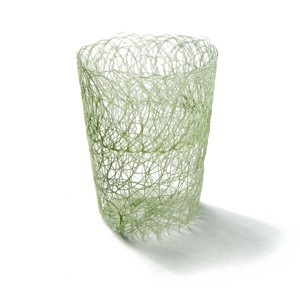
Grow Coons
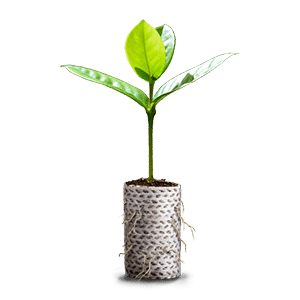
Ellepots
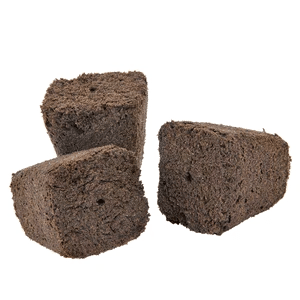
Root Riot Cubes
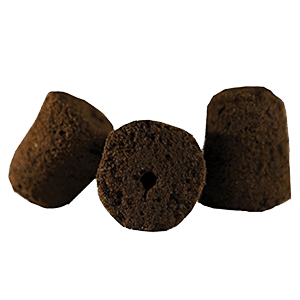
Rapid Rooter
Per Acre Yields
Planting
Plant at roughly ¼ “ & gently cover seeds with soil.
Watering
When first planting the seeds, water them in heavily, though not to the point of leaving standing water in your cell tray. Keep them on the spectrum from moist to wet (not soaked or soggy!) prior to emergence. After emergence water anywhere from 1-3x day depending on your medium and temperatures. They enjoy a wet to dry swing, so don’t keep them wet at all times. Conversely, never allow them to dry down completely.
Days to Emergence
The seeds should germinate for 48-72 hours and should be finished emerging after 6 days.
Temperature
We have found ideal germination temperature range to be 75-78° F. Heat mats are extremely helpful in uniform and quick germination. Depending on your climate and season, a heat mat on during the day could be too hot. However, night temperatures may be too cold. Therefore, we put heat mats on a timer so they come on at 6 pm and go off at 8 am.
Days to Transplant
Transplant as early as your equipment, labor, and the physical condition of the plants allow. If you let the plants sit in their containers too long, it can stress them into early flower, which can significantly reduce yields.
We recommend planting at 9-14 days from sowing. If you have to let the plants sit in trays for longer than is ideal, make sure they are getting watered and fertilized appropriately.
Light
Add supplemental light if it is convenient. Up to 18 hours a day of total light is appropriate when possible.